Watercolor Halloween Patterns
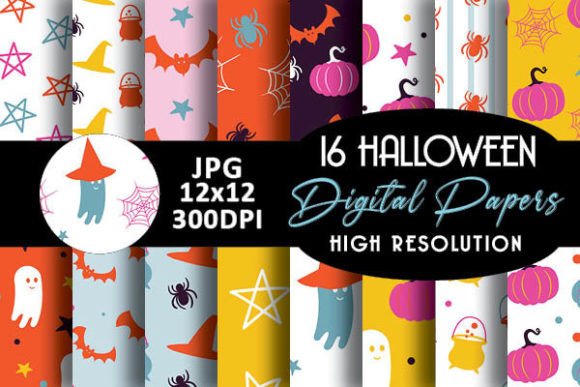
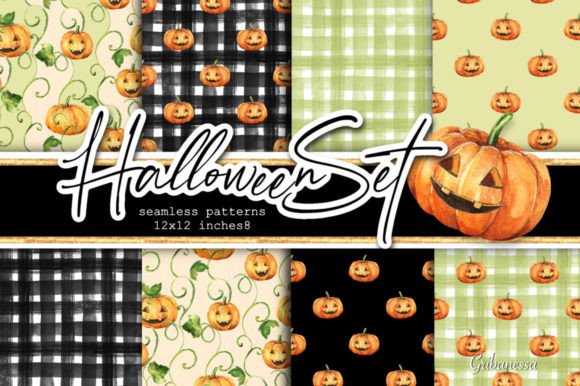
Watercolor Halloween Patterns bring a soft, expressive, and timeless texture to seasonal creativity—without the rigidity of clipart or the sterility of vector-only designs. These aren’t just spooky motifs on repeat: they’re hand-painted elements—pumpkins with subtle pigment blooms, bats with feathery watercolor edges, ghosts with delicate granulation, and wreaths where ink bleeds gently into paper grain—all captured in high-fidelity, seamless JPG files. Each pattern is 12×12 inches (3600×3600 pixels) at true 300 dpi resolution, meaning they scale cleanly for print projects without pixelation or loss of nuance.
Why Seamless Watercolor Matters for Real Projects
Seamless patterns let you fill any surface—whether it’s a 5×7″ greeting card or a 48″ fabric panel—without visible joins or awkward repeats. With Watercolor Halloween Patterns, that seamlessness is built from organic brushwork, not digital tiling tricks. That means when you tile the “Candy Corn Swirl” pattern across wrapping paper, the color transitions feel natural, not mechanical. When you scale the “Haunted Bramble” design up for wall art, the watercolor texture holds its integrity instead of flattening into a blurry mess.
This fidelity supports real-world production needs: scrapbookers can layer these over photos without clashing; small-batch stationery makers can run them through inkjet or laser printers and retain richness; fabric designers can send them straight to print-on-demand services with confidence in bleed and registration.
Creative Applications Across Mediums
These patterns thrive where texture and mood matter—not just decoration, but atmosphere. Here’s how different creators are using them:
- DIY Invitations & Paper Goods: Print Watercolor Halloween Patterns onto heavyweight cardstock for layered invitation suites. Try overlaying a faint “Spooky Script” pattern as a background behind embossed text—it adds depth without competing. For envelope liners, use the “Midnight Moonlight” pattern: its deep indigo washes and soft silver flecks evoke twilight without overwhelming handwriting.
- Fabric & Textile Projects: Upload to Spoonflower or Printful to create custom tea towels, tote bags, or pillow covers. The watercolor softness translates beautifully to cotton canvas—especially patterns like “Pumpkin Vine,” where stems curl organically and pigment pools mimic real dye absorption.
- Digital + Physical Hybrid Work: Designers use these as base layers in Procreate or Photoshop, then add hand-lettered phrases or cut-paper collages on top. Because each file is high-res and RGB-optimized, they integrate smoothly into digital mockups before printing.
- Educational & Community Use: Teachers print scaled-down versions for seasonal art lessons—students trace motifs, mix matching watercolors, or study pattern rhythm. Libraries and community centers use them to design inclusive, low-contrast decorations for sensory-friendly Halloween events.
Adapting for Audience & Platform Needs
What works for an Etsy shop owner differs from what serves a school art teacher—or a blogger building Pinterest traffic. Watercolor Halloween Patterns flex accordingly:
A freelance graphic designer pitching to a boutique bakery might isolate one motif (e.g., the “Candy Corn Cluster”) and convert it into a foil-stamped cupcake wrapper design—keeping the watercolor’s warmth while elevating perceived luxury. Meanwhile, a content creator filming a “Halloween Craft Haul” video uses the full “Witch Hat Grid” pattern as a clean, branded backdrop—its consistent spacing and muted tones keep focus on products, not visual noise.
For social media, crop tight sections to highlight texture: zoom in on where orange pigment bleeds into black in the “Jack-O’-Lantern Wash” pattern. That detail performs well on Instagram Reels or Pinterest Idea Pins because it feels tactile and authentic—not stock-like.
Staying Organized & Consistent in Your Workflow
When working with eight distinct patterns, consistency starts with naming and previewing. Before importing into Canva or Adobe Express, rename files clearly: watercolor-halloween-pumpkin-vine-seamless.jpg, not IMG_2948.jpg. Open each in Preview or Windows Photo Viewer first to assess tone—some lean cooler (blues, lavenders), others warmer (burnt sienna, rust). Group by palette family if building a cohesive collection (e.g., “Moody Midnight” set vs. “Candy Bright” set).
To maintain originality, avoid overusing the same pattern across every project. Instead, treat each as a foundational element: use “Bats in Mist” for backgrounds, then introduce hand-drawn borders or photo elements to break repetition. This keeps output feeling intentional—not templated.
Practical Tips for Best Results
• For Print: Always embed color profiles (sRGB for general use, Adobe RGB if your printer supports it). Test a single 4×4 inch swatch before committing to full sheets—this catches unexpected shifts in saturation or contrast.
• For Fabric: Check your POD provider’s minimum repeat size requirements. All eight Watercolor Halloween Patterns exceed standard thresholds (most require ≥2400px), so no resizing or interpolation is needed.
• For Digital Layouts: Reduce opacity to 10–20% when using as underlays behind text. Their soft edges prevent visual competition while adding quiet seasonal flavor.
• For Accessibility: Pair lighter patterns (e.g., “Ghost Whisper”) with dark type, and darker ones (“Midnight Moonlight”) with light or white text. Avoid placing critical info directly over pigment-heavy zones—use the “repeat preview” grid in design software to identify busier areas.
More Than Seasonal—A Texture Toolkit
Watercolor Halloween Patterns isn’t only for October. Flip the script: invert colors in Photoshop to create ghostly negatives for winter themes; desaturate and overlay with gold foil textures for New Year’s; or use the “Witch Hat Grid” as a subtle background for a cozy reading nook blog post—no bats required. Its strength lies in versatility grounded in craft, not trend-chasing.
Gribanessa created these with intention—not just to fill a seasonal gap, but to offer tools that behave like real materials. That means respecting pigment flow, honoring paper absorbency in digital form, and designing for the person who’ll spend hours cutting, gluing, stitching, or arranging. Whether you’re prototyping a product line, prepping a classroom activity, or designing your first holiday email campaign, these patterns meet you where your process lives: hands-on, thoughtful, and quietly confident.